How to Source UGC From Your Customers
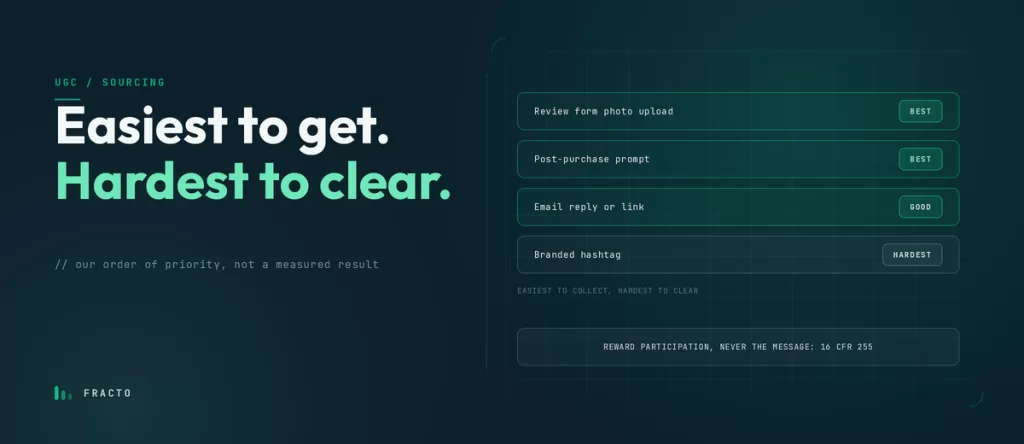
Build the ask into moments customers already engage with: post-purchase emails, review requests, packaging inserts. Prompt specifically for photos and short video, make submitting effortless, and capture written permission at the same moment. If you incentivize, disclose the material connection and never tie the reward to what the content says.
How to Handle Negative Reviews (Without Losing Sales)
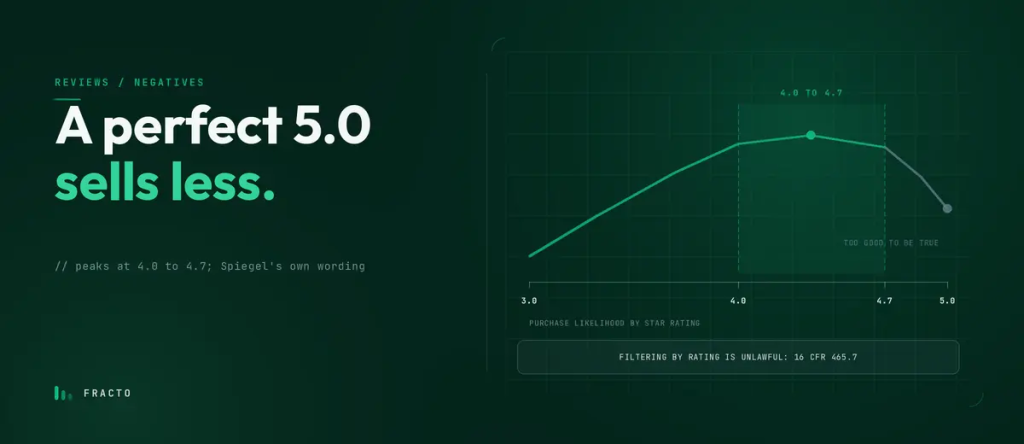
A few negatives make your positive reviews believable. Respond publicly and calmly, acknowledge the issue, and make it right where you can, because future shoppers judge you by how you handle problems. Do not delete or filter honest criticism: since October 2024 that is prohibited by the FTC’s review rule, not merely bad practice.
How to Ask Customers for Reviews (Timing and Wording)
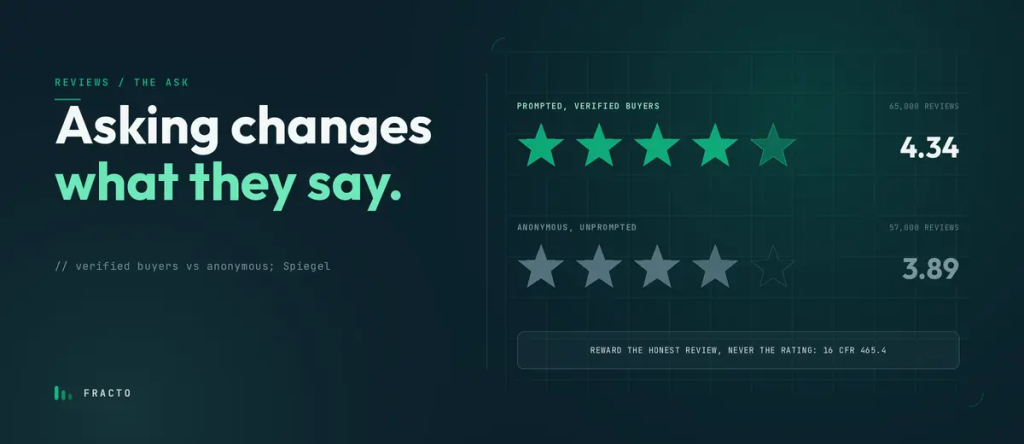
Ask every customer automatically, once the product has arrived and been used. Keep the request short, link straight to a one-tap rating, and strip out every extra step. On incentives the law is now specific: you may reward an honest review of any rating, never one that expresses a particular sentiment.
How to Get More Product Reviews (and Use Them to Sell)
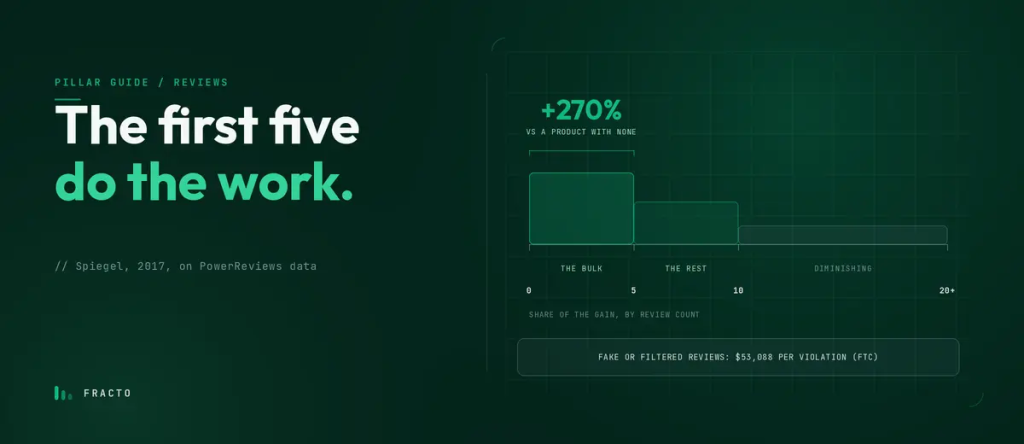
Reviews reassure a hesitant shopper: Spiegel found purchase likelihood 270% higher with five reviews than with none. To get more, ask every buyer, make it effortless, and never fake or filter them, which is now federal law in the US. Aim for an honest rating in the 4.0 to 4.7 range.
Landing Page vs Homepage for Paid Traffic
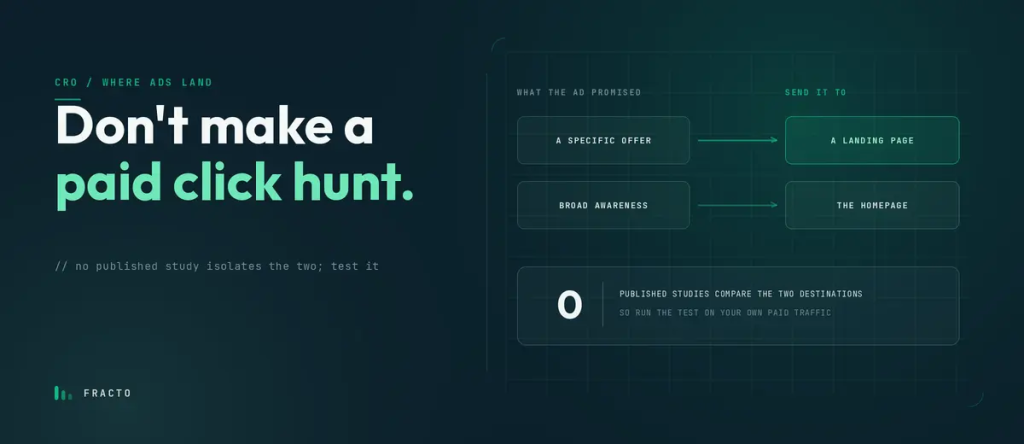
For paid traffic, a dedicated landing page almost always converts better than the homepage, because it continues the ad’s specific promise and drives one goal instead of making the visitor hunt. The homepage still suits broad brand or untargeted traffic, but money spent sending a specific ad click to a general page is money leaking at the door.
Ecommerce Landing Page Optimization: The Essentials
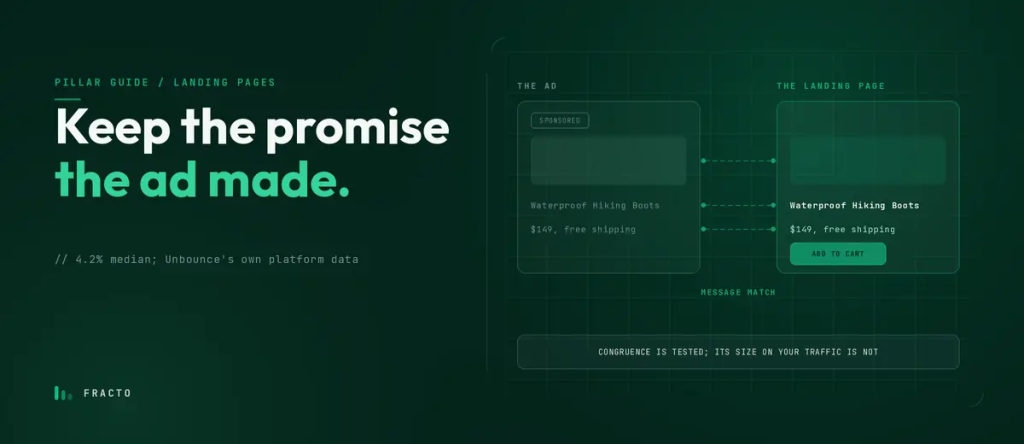
An ecommerce landing page is a focused page built to convert a specific audience, usually from a paid ad or campaign. The essentials: match the page to the ad’s promise (message match), keep one clear goal and call to action, show the product and proof quickly, and remove distractions. Then test, because small changes here move paid ROI directly.
How to Write a High-Converting Landing Page
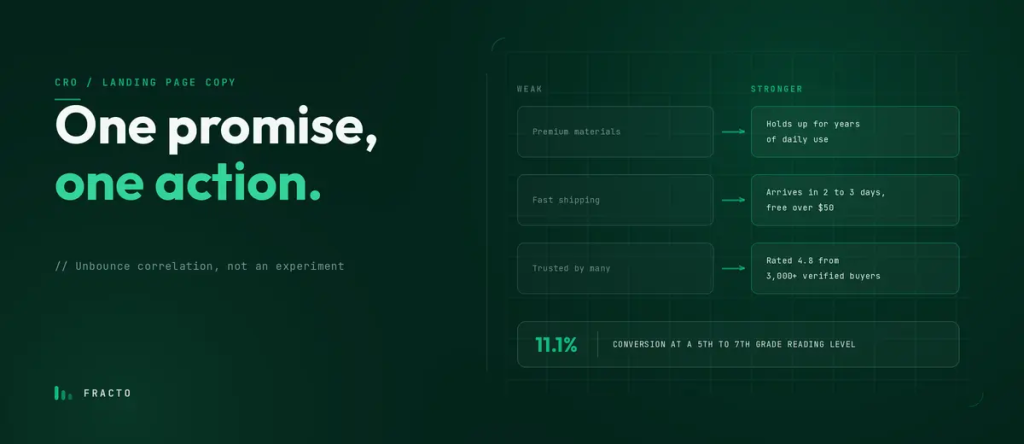
A high-converting ecommerce landing page follows a simple structure: a headline that matches the ad, a clear offer shown early, specific benefits, strong proof, and one unmistakable call to action, with distractions removed. Write for one audience and one action, lead with the promise, and back every claim with proof the visitor can see.
How to Run a Sale Without Training Customers to Wait
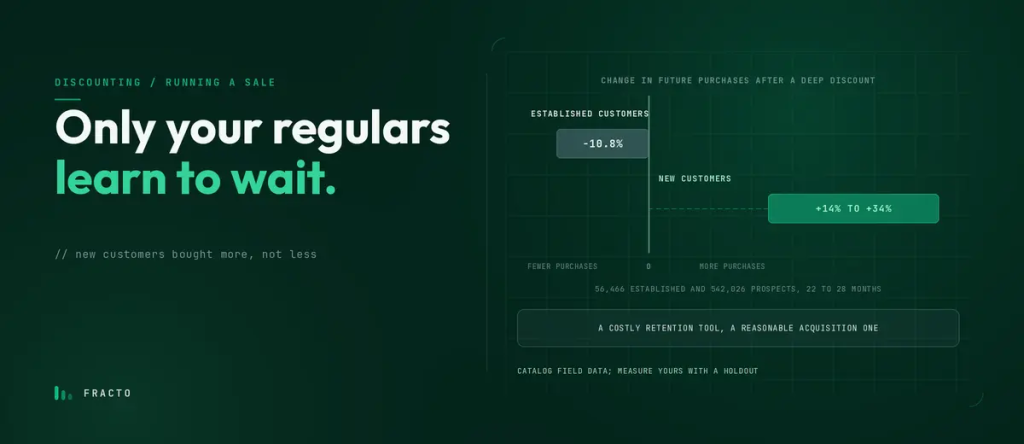
Make discounts occasional and tied to a real reason, keep them finite, and target new or lapsed buyers rather than everyone, because discounting affects existing and new customers in opposite directions. Measure incremental gross profit with a holdout, and keep urgency claims genuine: false ones are banned outright in the EU and UK.
How to Write Product Descriptions That Convert
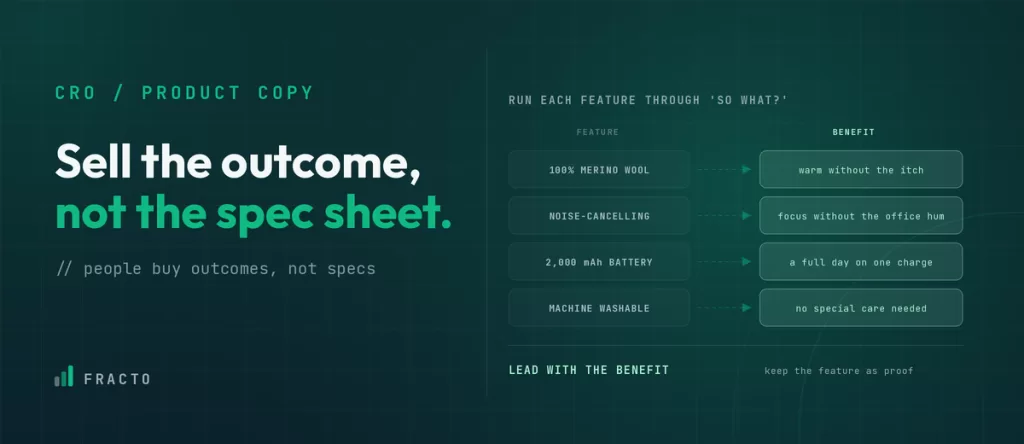
Product descriptions that convert lead with benefits, not features, answer the questions that cause hesitation (sizing, materials, compatibility), and match their length to the purchase: short and scannable for simple items, thorough for considered ones. Write unique copy for your customer rather than copying the manufacturer, which also protects your SEO
Product Page Trust Signals That Increase Sales
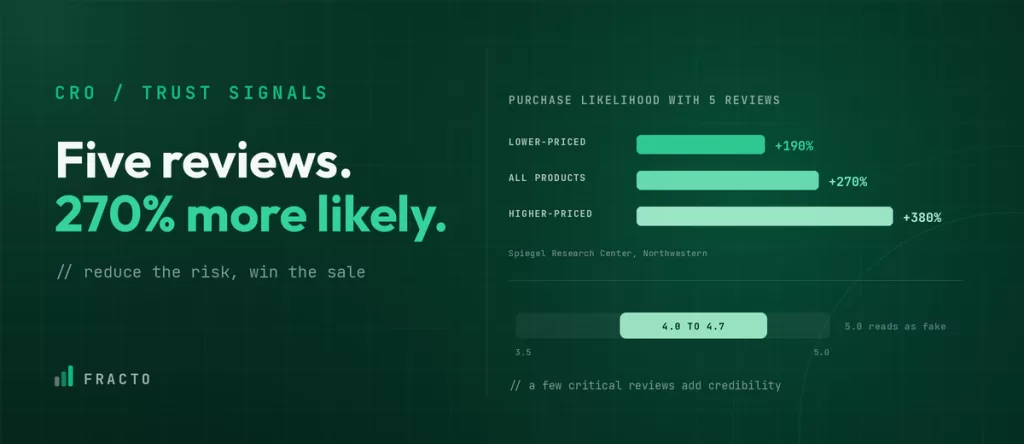
The trust signals that increase sales most are genuine reviews and ratings (shown near the product title), a clear returns policy, secure-payment cues, and real customer photos. Research from Northwestern’s Spiegel Research Center found displaying reviews can lift purchase likelihood substantially. Placement matters as much as the signal itself.